
What Not to Do in a Kitchen Renovation?
Get in Touch With Us
Get in Touch With Us
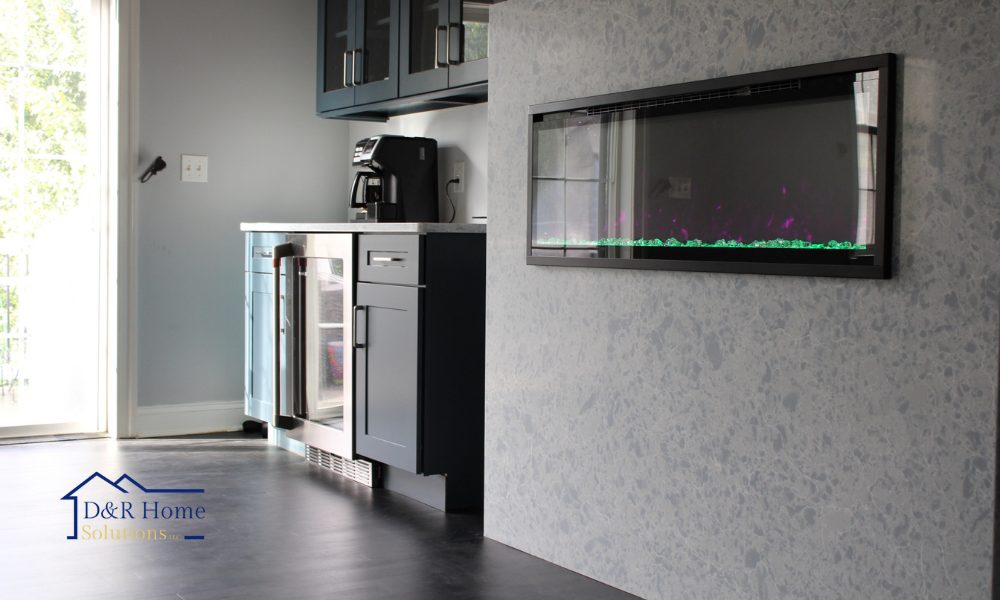
A kitchen renovation is one of the most impactful investments a Phoenixville homeowner can make and one of the easiest to get wrong. The mistakes that derail kitchen projects rarely happen during construction. They happen weeks earlier, in the planning phase, when decisions feel low-stakes but carry consequences that last for years. Here is what experienced contractors consistently identify as the costliest errors and how to avoid every one of them.
Don’t Underestimate the True Cost
One of the most common and costly mistakes is underestimating renovation costs by 20–50%.Homeowners typically budget for the visible line items, cabinets, countertops, appliances, but miss the supporting costs that make those upgrades possible: permit fees, demolition labor, plumbing modifications, electrical panel upgrades, and disposal.
Many renovations go over budget because people don’t account for hidden costs like structural changes, plumbing updates, or appliance upgrades. A realistic kitchen renovation budget should include a 10–20% buffer for unexpected expenses.
In Phoenixville and Chester County, permits for kitchen work involving electrical or plumbing changes are required by the municipality and skipping them creates serious liability at resale.
Don’t Sacrifice Function for Aesthetics
A kitchen that photographs beautifully but frustrates you daily is a failed renovation. Many kitchen design mistakes start with ignoring how you move through the space. You need 42–48 inches of aisle width for two people to pass comfortably. Narrow aisles look fine on paper but feel cramped in real life, especially with an open dishwasher or oven door.
The kitchen work triangle, the relationship between your sink, stove, and refrigerator, is the foundation of efficient kitchen design. Disrupting this flow can lead to a space that looks beautiful but feels awkward to use. Before finalizing any layout, physically walk through the sequence of preparing a meal: groceries come in, food is prepped, items are cooked, dishes are cleaned. Every step should flow without backtracking or blocking.
Test your proposed layout by marking it out with tape on your current floor and walking through typical kitchen activities. This simple exercise reveals flow issues that drawings might not show clearly.
Don’t Ignore Storage Until It’s Too Late
Underestimating storage needs ranks among the most regretted renovation mistakes. Many homeowners assume new cabinets will automatically provide adequate storage without carefully analyzing their actual needs. Modern kitchens often house more items than previous generations, from small appliances to bulk food purchases.
Inventory everything currently in your kitchen before a single cabinet is ordered. Count appliances, cookware, pantry stock, and seasonal items. Then design storage around what you actually own, not what you imagine you’ll own after the renovation. The gap between upper cabinets and the ceiling is a dust collector and an opportunity lost for additional storage, extending cabinets to the ceiling creates a cleaner, modern finish and maximizes every inch of vertical space.
Don’t Buy Appliances Before Confirming Measurements
One of the worst kitchen remodel mistakes is purchasing appliances that don’t fit your kitchen. Too often, people buy new appliances during a remodel and find out on delivery day that one or more pieces do not fit the space. A 36-inch range that arrives after cabinetry has been installed, or a counter-depth refrigerator that conflicts with the swing of an adjacent door, creates expensive corrections that delay the entire project.
The U.S. Department of Energy recommends confirming rough-in dimensions and verifying electrical circuit requirements before purchasing any new kitchen appliances, guidance that prevents one of the most common and avoidable renovation disruptions. Measure rough openings, confirm door swing clearances, and share appliance spec sheets with your contractor before finishes are ordered.
Don’t Overlook Ventilation and Electrical Capacity
During kitchen renovations, homeowners frequently fail to consider ventilation and electrical infrastructure. Installing premium appliances without upgrading electrical wiring can result in safety risks or overloaded circuits. An inadequate range hood or exhaust system leads to air quality issues and persistent odors.
A properly ducted range hood should be sized to the BTU output of your cooktop. A quiet, properly ducted hood keeps smells and grease off surfaces, matches CFM to your cooktop and cooking style, and vent outside when possible. Recirculating-only hoods are a common compromise that homeowners regret within months.
6. Don’t Make Last-Minute Changes Once Work Begins
Making changes at the last minute when renovating a kitchen can cost a great deal of money. It can bring work to a halt while you or your designer try to find a way to work around the changes, cause delays, and require finding new materials or rescheduling labor.
Make all decisions before demolition begins. Finalize cabinet specs, countertop material, appliance models, flooring, hardware, and lighting before any work starts. A thorough pre-construction design process eliminates the pressure of deciding under construction conditions and is a standard part of how D&R Home Solutions approaches every Phoenixville project.
Don’t Choose a Contractor Based on Price Alone
Hiring the lowest bidder often leads to poor quality, missed deadlines, and costly fixes later. When comparing estimates, always ask about experience, references, licensing, and what is actually included in the quote.
In Pennsylvania, kitchen remodelers must carry proper licensing and insurance. An unlicensed contractor may offer a lower price but leaves you exposed if work fails inspection, causes property damage, or results in injury. Verify credentials, ask for references from completed Chester County projects specifically, and review contracts carefully before signing.
Build Your Renovation Right With D&R Home Solutions
Avoiding these mistakes is not complicated, it requires disciplined planning, honest budgeting, and an experienced contractor who has navigated every one of these pitfalls before. D&R Home Solutions works with Phoenixville and Chester County homeowners from the first design conversation through project completion.
Contact D&R Home Solutions today to start the conversation before a single wall comes down.