
When a Remodel Needs a General Contractor, Not a Handyman
Get in Touch With Us
Get in Touch With Us
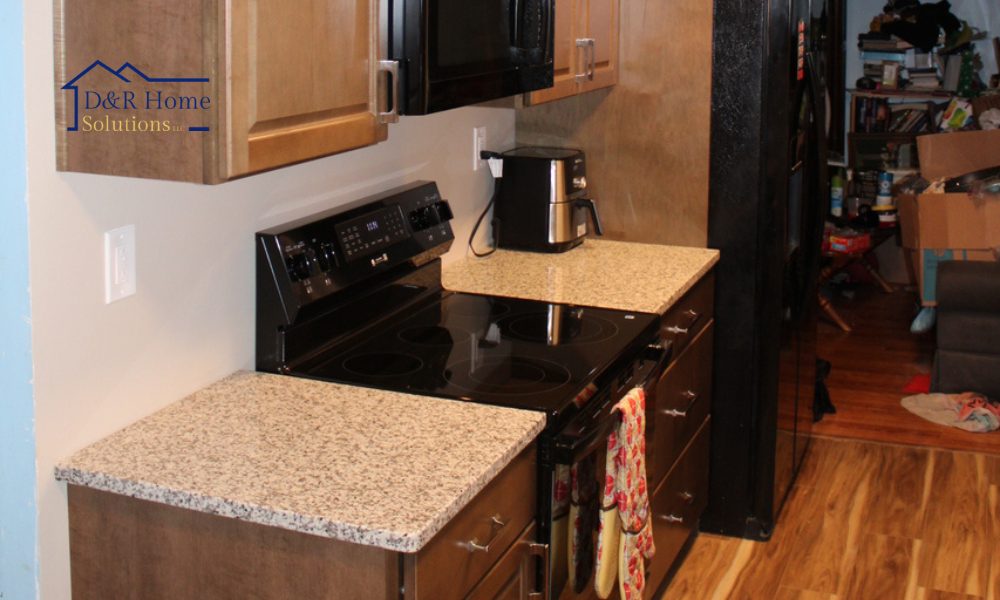
A remodel crosses from handyman to general contractor territory when it touches more than one trade, needs a building permit, or changes your home’s structure, electrical, or plumbing systems. A handyman still handles a single repair or a small, contained task. Once a project needs a plumber, an electrician, and a carpenter working the same rooms on the same schedule, it needs a general contractor to manage it, not a homeowner juggling separate crews.
You have a project list. Maybe it started as “just redo the kitchen” and grew into moving a wall, adding a bathroom, and rewiring half the first floor. At some point a homeowner has to ask a plain question: is this still a handyman job, or do I need a general contractor? Below is how to tell, and what changes once the answer is yes.
What actually separates the two
A handyman is a generalist who handles small, self-contained fixes: hanging a door, patching drywall, replacing a faucet, building a shelf, swapping a light fixture. Most of that work is skilled, useful, and exactly what a homeowner should call a handyman for. It does not usually require a license because it does not touch the structure, electrical service, or plumbing system of the house in a way the state regulates.
General contractors are a different role entirely. A general contractor does not necessarily swing every hammer. Their job is to manage the renovation: hire and schedule the subcontractors, pull the necessary permits, sequence multiple trades so the electrician finishes before the drywall goes up, and stand as the main point of contact when something needs a decision. If your kitchen remodel needs a plumber to move a sink line, an electrician to run new circuits behind the walls, a carpenter to build cabinets, and a tile installer for the backsplash, you are not hiring four separate contractors and hoping they coordinate on their own. You are hiring a general contractor who already knows how to run that project and carries the liability insurance to back it.
The permit test
This is usually the clearest line. If the project needs a building permit, it usually calls for a general contractor, or at least a GC’s judgment on the scope. Moving a wall, changing a home’s electrical panel, adding square footage, or altering plumbing runs typically triggers a permit and an inspection in Chester County, and falls squarely under local building codes. A handyman is not set up to manage that process, and in most cases is not the party the local building department expects to see pulling it.
Pennsylvania adds a second, separate layer worth knowing before you sign anything. Under the state’s Home Improvement Consumer Protection Act, any contractor performing $5,000 or more of home improvement work in a year has to register with the Pennsylvania Office of Attorney General through the state’s home improvement contractor registration system.1 That threshold covers most kitchen and bathroom remodels on its own. Ask to see the registration number before work starts. It costs you nothing to check, and it tells you whether the person bidding your job is registered to take on work at that dollar value in the first place.
How the trades get handed off
A remodeling project has a natural order, and it is not optional. Demolition comes first. Then framing, if a wall is moving. Rough electrical and rough plumbing go in before the walls close up, because nobody wants to cut open a finished wall to add an outlet or move a light fixture. Insulation and drywall follow. Then finish electrical, finish plumbing, cabinets, countertops, tile, trim, and paint, roughly in that order. Miss the sequence and the cost shows up later: a countertop installer who has to reschedule because the cabinets are not level, or a tile setter waiting on a plumber who was never told the shower valve had to go in first.
A general contractor’s real value is managing that handoff so each trade shows up once, does high-quality work, and leaves. A homeowner coordinating four separate tradespeople by phone and text is doing the GC’s job without the GC’s experience, and it is a common reason a remodel runs weeks past its planned finish. Contractors oversee that sequence for a living. Most homeowners do it once.
Questions to ask before you hire a contractor
Whether you are talking to a handyman or hiring the right general contractor for a bigger job, a short list of questions tells you fast whether the scope matches the person in front of you.
-
Is this a fixed price or a time-and-materials estimate, and what percentage of the total is labor versus materials?
-
Who pulls the permit, and is that cost built into the number?
-
Are you registered under Pennsylvania’s Home Improvement Consumer Protection Act, and can I see the registration?
-
Do you carry liability insurance and cover property damage if something goes wrong?
-
Who is my main point of contact once the project starts, and what is your communication style during construction?
-
How do design choices and change orders get approved once work begins?
A straightforward handyman task rarely needs all six answers. A kitchen or bathroom remodel, a basement finish, or a home addition needs every one of them, in writing, before a tool touches your house. Ask the right questions up front and you save money in the long run, because it is far cheaper to settle a scope disagreement on paper than mid-project.
Where insurance and bonding fit in
Liability insurance protects you if something goes wrong on the job, from a burst pipe to a damaged floor. Some larger projects also involve a construction bond, which guarantees the work gets finished or the owner is compensated if the contractor does not deliver.2 A single-trade handyman job rarely calls for that level of protection. A multi-trade home renovation with a real budget attached usually does, and it is a fair question to ask any professional contractor bidding a job in Phoenixville or anywhere else in Chester County. It is also one of the more direct ways to protect your home and your budget before a single wall comes down.
When the scope in Phoenixville tips the decision
Older housing stock around Phoenixville and the surrounding Chester County boroughs adds a wrinkle worth planning for. A lot of homes here were built well before current electrical and plumbing code, which means a “simple” kitchen or bathroom remodel can uncover knob-and-tube wiring, undersized panels, or plumbing that was never up to today’s standard. That discovery moves the project from cosmetic to structural fast, and it is exactly the kind of surprise a general contractor is set up to absorb: reworking the scope, pulling an updated permit, and bringing in the right trade without the whole schedule falling apart.
If your project is still in the planning stage, walk through the house with the person bidding it and ask directly what happens if they open a wall and find something unexpected. A handyman’s honest answer is usually “that’s outside what I do.” A general contractor who knows the ins and outs of older Chester County housing should already have a plan, not a surprised look.
What changes once a general contractor is running the job
Hiring a general contractor does not just add a person to the project. It changes how the project is managed. Instead of five separate phone numbers, five separate schedules, and five separate invoices, you get one scope of work, one project timeline, and one person accountable for the outcome. A good contractor writes the scope of work in enough detail that “materials and labor” is not a vague line item. It says what materials, what brand or grade, and what the labor covers, so there is no argument later about whether a change was included in the original price or is a change order.
This matters most on the areas of your home that touch multiple systems at once. A kitchen remodel is rarely just cabinets and countertops. It is cabinets, countertops, plumbing for the sink and dishwasher, electrical for the range and under-cabinet lighting, and often a structural question if a wall is coming down to open the space to a dining room. An experienced contractor has run that combination enough times to know where the surprises usually hide and how to get it right the first time, which is exactly the judgment a homeowner managing the trades directly does not have.
Cost and timeline also behave differently once a general contractor owns them. A GC pricing a full home renovation is accounting for permit timing, inspection scheduling, and the order trades have to arrive in, not just the sum of five quotes. That is part of why the number from a general contractor can look higher than adding up separate trade bids at first glance. It includes the coordination that keeps the project from stalling for two weeks because the inspector could not get out to sign off before the next trade was scheduled to start, and that coordination is well worth the investment on any project large enough to need it. It also matters if you plan to sell your home later, since permitted, properly sequenced work holds up under a buyer’s inspection in a way patched-together handyman fixes on a structural change usually do not.
Where D&R fits into a larger remodel
Some projects genuinely are handyman-sized, and there is no reason to pay more for management you do not need. But once a remodeling process involves more than one trade, a permit, or a change to the home’s structure or systems, it makes sense to bring in a full-service general contractor for larger remodels who can scope the whole job, sequence the trades, and stay as your single point of contact from the first permit to the final walkthrough.
If you are still sorting out which side of that line your project falls on, a quick call is usually faster than guessing. D&R Home Solutions is based at 710 Wheatland St Ste 110, Phoenixville, PA 19460, and can be reached at (215) 280-5910 to talk through the scope before you hire anyone.
Sources cited in text (numbered inline, not superscript): 1. Pennsylvania Office of Attorney General, “Home Improvement Contractor Registration,” https://www.attorneygeneral.gov/businesses-and-organizations/home-improvement-contractor-registration/ 2. Investopedia, “Understanding Construction Bonds: Types, Requirements, and How They Work,” https://www.investopedia.com/terms/c/construction-bond.asp